
TCA Peel: Everything You Need to Know
A TCA peel resurfaces the skin, fades pigment and builds collagen. Here is how the strengths differ, what the peeling week looks like, and who it suits.
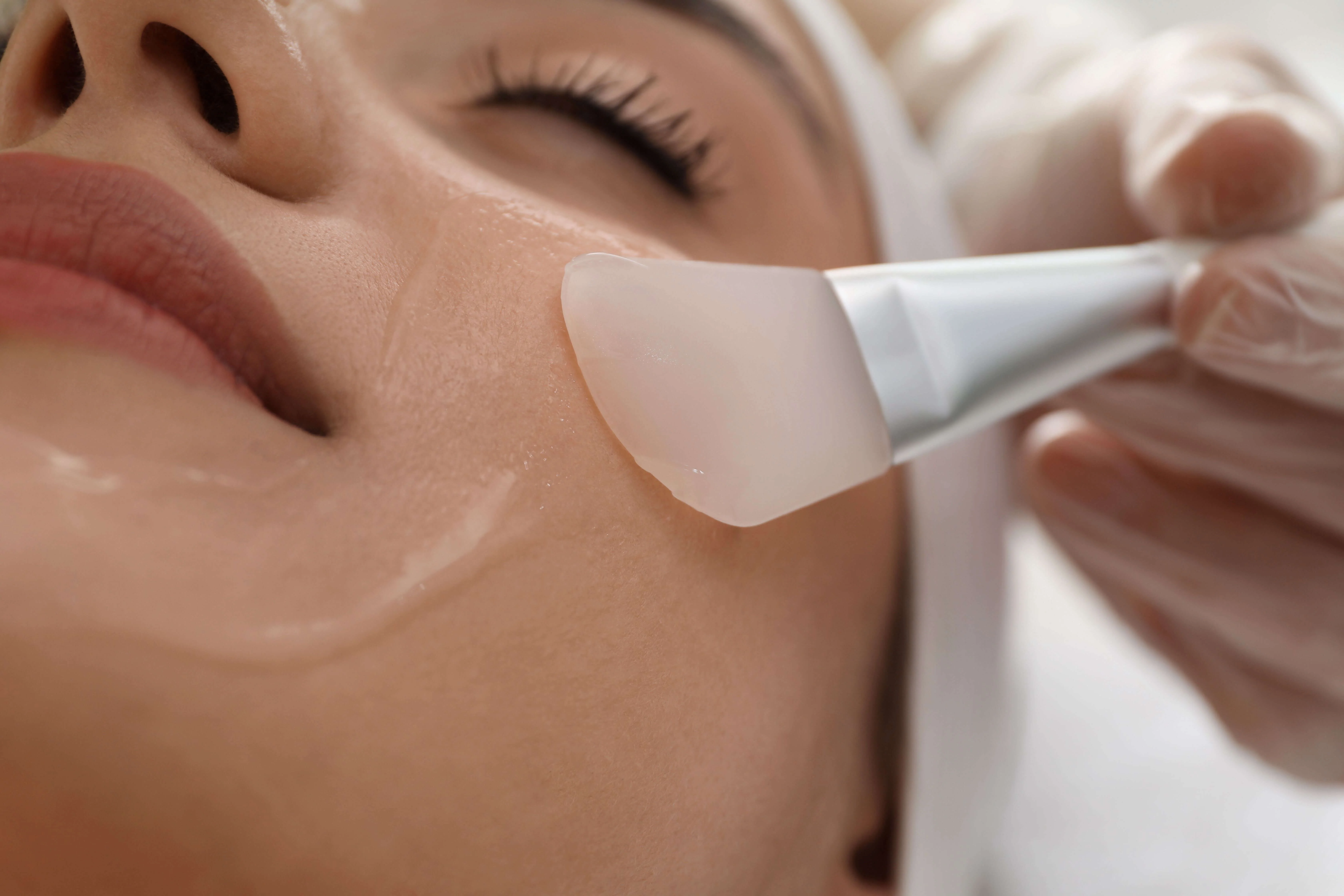
If you are looking for a powerful way to resurface your skin, reduce pigmentation and boost collagen, a TCA peel may be the right fit. This chemical peel treats a wide range of concerns, from fine lines and wrinkles through to hyperpigmentation and acne scars.
What is a TCA peel?
A TCA peel is a medium to deep depth chemical peel that uses trichloroacetic acid to exfoliate the skin and stimulate new cell turnover. It removes the damaged outer layers, revealing smoother, more even toned skin underneath.
What it helps with
- Reduces fine lines and wrinkles
- Evens out skin tone and texture
- Fades dark spots and hyperpigmentation
- Minimises acne scars
- Improves elasticity and firmness
- Helps treat sun damage and melasma
How it works
- Cleansing. Your skin is thoroughly cleansed to remove oils and impurities.
- Application. The TCA solution is applied evenly. You may feel a mild tingling or burning sensation.
- Neutralisation. Some peels self neutralise, others need a neutralising solution.
- Peeling and recovery. Over the next 3 to 7 days the skin peels and flakes, revealing fresh skin underneath.
The strengths
Superficial, 10 to 15 percent. Targets mild hyperpigmentation, dullness and fine lines. Little to no downtime with mild peeling, and suitable for all skin types.
Medium, 20 to 35 percent. Treats moderate wrinkles, sun damage and acne scars. Expect 5 to 7 days of peeling and recovery. Best for light to medium skin tones.
Deep, 50 percent and above. Used for severe wrinkles, deep scars and significant sun damage. Longer downtime of 7 to 10 days or more of peeling and redness, and best performed by a licensed professional.
What to expect afterwards
- Days 1 to 2. Skin may feel tight, red and slightly swollen.
- Days 3 to 4. Peeling begins, usually starting around the mouth and spreading outward.
- Days 5 to 7. Peeling intensifies, revealing fresh, smooth skin underneath.
- Day 7 onward. Most peeling is complete and skin looks brighter and more even.
Aftercare
- Keep skin moisturised with a gentle, hydrating cream.
- Do not pick or pull at peeling skin. This is how scarring happens.
- Use SPF 30 or higher daily to protect the fresh skin underneath.
- Avoid active ingredients such as retinol, AHAs and harsh exfoliants for at least a week.
- Stay hydrated and keep the rest of your routine gentle.
Is a TCA peel right for you?
It suits you if you
- Want to brighten your skin tone and reduce pigmentation
- Have acne scars, fine lines or sun damage
- Want a non invasive anti ageing treatment
It may not suit you if you
- Have very sensitive skin or active acne breakouts
- Have a deeper skin tone, where higher concentrations carry a risk of hyperpigmentation
- Are pregnant or breastfeeding
That last point is worth taking seriously rather than guessing at. Peel depth and strength have to be matched to your skin tone and history, which is exactly what a consultation is for.
The short version
A TCA peel is an effective, powerful resurfacing treatment that can noticeably improve your complexion. Whether you are dealing with wrinkles, dark spots, acne scars or sun damage, it can leave skin brighter, smoother and more even.
You can see how we use peels at SORA across our corrective peel therapies, and for pigment specifically, our corrective pigment protocols.